Quando si parla di sicurezza ambientale nelle basi militari, il pensiero va spesso a contaminazioni chimiche o rischi legati a materiali pericolosi. Tuttavia, uno dei pericoli invisibili e spesso sottovalutati è il gas radon. Questo gas radioattivo naturale, presente nel suolo e nelle rocce, può rappresentare una minaccia seria per la salute del personale militare e civile.
Cos'è il Gas Radon?
Il radon è un gas nobile, incolore e inodore, che si forma dal decadimento dell’uranio naturalmente presente nel terreno. In ambienti aperti, si disperde facilmente, ma in ambienti chiusi o sotterranei tende ad accumularsi, raggiungendo livelli potenzialmente pericolosi. Secondo l’Organizzazione Mondiale della Sanità (OMS), il radon è la seconda causa di tumore ai polmoni dopo il fumo di sigaretta.
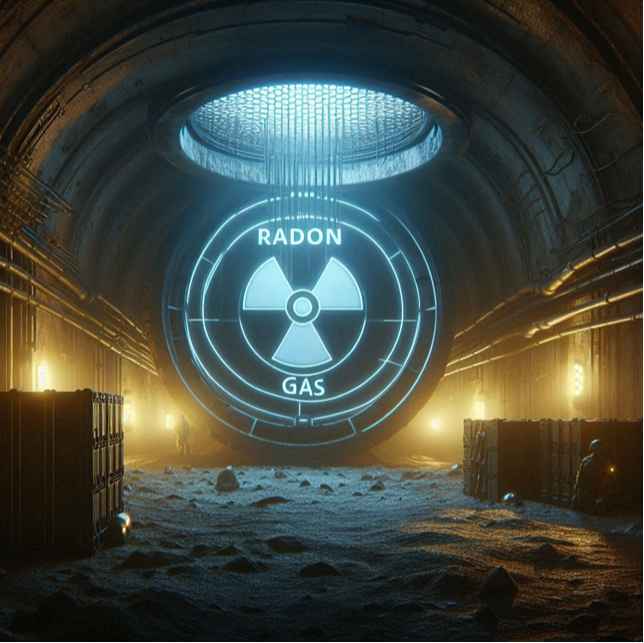
Perché le Basi Militari Sono a Rischio Radon?
Le infrastrutture militari spesso includono bunker, depositi sotterranei, rifugi e centrali operative, tutte strutture a rischio elevato di accumulo di radon. Inoltre, molte basi sorgono in aree remote o geologicamente favorevoli alla presenza di uranio, fattore che incrementa la probabilità di concentrazioni elevate di gas radon.
I principali fattori di rischio:
Presenza di strutture sotterranee o seminterrate
Scarsa ventilazione
Terreni ricchi di uranio
- Permanenza prolungata del personale all’interno delle strutture
Come Si Valuta la Presenza di Radon nelle Basi Militari?
La valutazione del rischio radon nelle basi militari inizia con un’accurata mappatura delle concentrazioni nelle varie aree. Tra le tecnologie più utilizzate troviamo:
Dosimetri passivi per il monitoraggio a lungo termine
Rilevatori attivi a ionizzazione, utili per un’analisi continua e dettagliata
Analisi geologiche, per individuare zone a potenziale rischio
Strategie di Mitigazione: Come Ridurre il Rischio
Una volta rilevati livelli critici di radon, è possibile adottare interventi mirati per proteggere il personale:
Ventilazione forzata
Installare impianti che favoriscano il ricambio d’aria e la dispersione del gas.
Sigillatura delle fessure
Sigillare crepe nei pavimenti, muri e nei punti di contatto con il suolo per bloccare l’ingresso del radon.
Depressurizzazione del suolo
Applicare tecniche di aspirazione sotto la struttura per intercettare il gas prima che penetri negli ambienti interni.
Conclusione: Un Impegno Etico oltre che Tecnico
La gestione del radon nelle basi militari non è solo un obbligo normativo o tecnico, ma rappresenta un dovere etico verso chi vive e lavora in questi ambienti. Investire in tecnologie moderne, monitoraggi costanti e strategie preventive significa garantire una maggiore sicurezza e qualità della vita per tutto il personale. La consapevolezza sul rischio radon è in crescita, ma è fondamentale continuare a parlarne. Solo con un’azione informata e tempestiva possiamo costruire basi militari più sicure e sostenibili.