Prima dell'immersione
Check dive, alcol, tabacco
Il primo giorno, la maggior parte dei diving prevede un check dive/ intro dive obbligatorio. Questo permette di stabilire la giusta quantità di zavorra e serve alla propria sicurezza. Perciò va accettato anche dai subacquei esperti. Dormi un numero sufficiente di ore e immergiti solo se stai bene e se non sei raffreddato. Rinuncia agli alcolici e al tabacco prima dell’immersione.
Briefing e controllo preimmersione
Al momento del briefing e del controllo reciproco preimmersione parla con il compagno per chiarire le preferenze e le esperienze d’immersione. Adegua l’immersione alla persona con la minor esperienza.
Immersione
Regole sempre valide
• Sii consapevole della responsabilità per te stesso e per il compagno d’immersione nonché dei possibili pericoli generali.
• Segui attentamente il briefing e attieniti alle indicazioni delle guide esperte. Chiedi maggiori informazioni se non hai capito tutto.
• In caso di esistente forame ovale pervio (PFO) attieniti ai consigli per il «low bubble diving» pubblicati su suhms.org › Opinions & Info › SUHMS PFO Recommendations 2016.
• Dopo un lungo periodo senza esserti immerso, inizia con immersioni facili e non profonde.
• Limitati nella quantità e nella durata delle immersioni anche se l’offerta prevede immersioni illimitate.
• Al momento della discesa effettua uno stop di controllo (controllo di erogatori, rubinetti, GAV e computer).
• Se possibile resta sempre in curva per tenere basso il rischio di un incidente decompressivo.
• Rispetta le profondità massime previste dal tuo brevetto e dai singoli Paesi.
• Le immersioni lunghe e profonde richiedono una formazione adeguata e una sufficiente esperienza.
• Risali con un massimo di 10 metri al minuto.
• Effettua sempre uno stop di sicurezza.
• Porta sempre con te una piccola torcia (torcia backup)
• Rispetta la natura: non toccare flora e fauna.
• Per entrare in acqua e risalire a bordo segui le indicazioni dell’equipaggio.
Immersioni con barca
Una barca permette di raggiungere siti d’immersione distanti dalla riva. Prima di uscire in barca, mangia qualcosa di leggero in particolare se sei soggetto al mal di mare. Eventualmente sopporti le fette biscottate o i grissini. Portati dell’acqua e bevi molto. Non dimenticare un cappello, degli occhiali da sole e la crema solare, una protezione per le orecchie ed eventualmente un k-way.
• Per entrare in acqua e risalire a bordo segui le indicazioni dell’equipaggio.
• Dopo essere entrato in acqua allontanati dalla barca per far spazio agli altri sub.
• Porta con te il tuo pedagno segnasub («sparabile») personale lungo 1,5 m ca. con sistema circuito chiuso e munito di materiale rifrangente (p. es. , Seareq).
• Usa uno spool per il pedagno segnasub con una sagola sufficientemente lunga.
• Porta con te anche un fischietto o un segnalatore ad aria e uno specchio, alcuni pedagni dispongono di una tasca apposita per questi utensili di segnalazione.
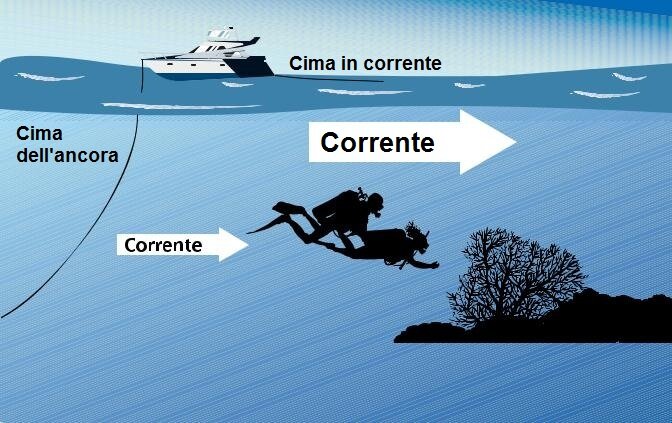
• Per la discesa e la risalita usa le cime di corrente, le catene delle ancore ecc.
• Quando riemergi fai attenzione al traffico delle barche e alle scale delle barche.
• Non posizionarti sotto la scala se questa è impegnata da un’altra persona.
• Tieni in bocca l’erogatore quando sali la scala della barca.
Immersioni in corrente
Mare che vai, correnti che trovi: le immersioni più belle del mondo sono caratterizzate da correnti più o meno forti. Oltre a poter vivere una sensazione unica paragonabile a un volo libero sottacqua, questi siti sono generalmente i più ricchi in biodiversità marina (spesso pesce pelagico). Le immersioni in corrente sono solo per i sub esperti. Rinuncia a questo tipo di immersione se non ti senti a tuo agio con le correnti.
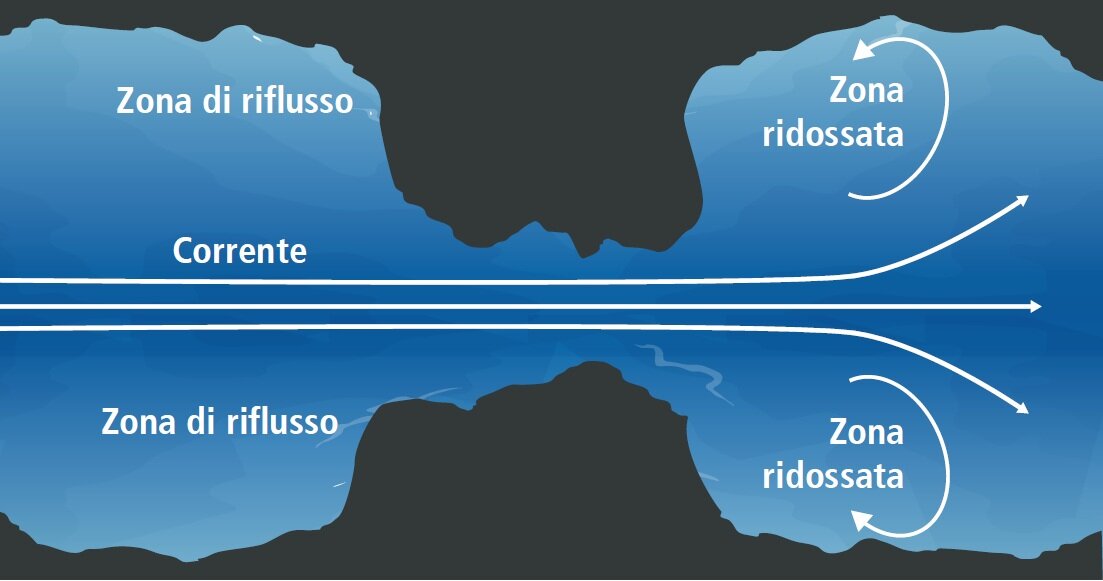
Nei punti stretti e nei canali (p. es. tra gli atolli delle Maldive) o tra singole isole si presentano quasi sempre delle correnti. Rocce, blocchi di corallo o altro ostacolano, deviano, canalizzano e accelerano il flusso dell‘acqua (effetto Venturi). Davanti all‘ostacolo l‘acqua si ferma, dietro viene a crearsi una zona senza corrente. In queste due zone la corrente è quasi assente e permette di fare una sosta.
Se ti dovesse capitare di essere trasportato fuori da un canale verso il largo, riemergi lentamente e non lottare contro la corrente. Spara il pedagno segnasub e esci dalla corrente nuotando lateralmente da questa e parallelamente alla barriera corallina o alla terraferma.
Le correnti verticali, tipiche delle pareti, tirano la persona verso il basso o la spingono verso l’alto. In caso di corrente discendente resta il più vicino possibile al reef e se necessario tieniti alla parete. In questo caso devi gonfiare il GAV per mantenere la profondità desiderata. Tieni però sempre d’occhio la profondità. Con una corrente ascendente devi scendere a testa in giù, aiutandoti con le pinne.
• Segui attentamente il briefing e chiedi maggiori informazioni se non hai capito tutto.
• Porta con te il tuo pedagno segnasub («sparabile») personale lungo 1,5 m ca. con sistema a circuito chiuso e munito di materiale rifrangente (p. es. Seareq).
• Usa uno spool per il pedagno segnasub.
• Porta con te anche un fischietto o un segnalatore ad aria e uno specchio, alcuni pedagni dispongono di una tasca apposita per questi utensili di segnalazione.
• Adotta una configurazione la più idrodinamica possibile.
• Mantieni una posizione orizzontale per risparmiare forze.
• Tieni conto del maggior consumo di aria.
• Usufruisci delle zone con poca corrente vicino al fondo, presso le pareti o a ridosso delle rocce.
• Durante la fase di discesa o risalita serviti degli ausili quali le cime di corrente, le catene delle ancore ecc.
• In superficie non nuotare contro la corrente, ma in diagonale rispetto a questa.
Immersione sui relitti
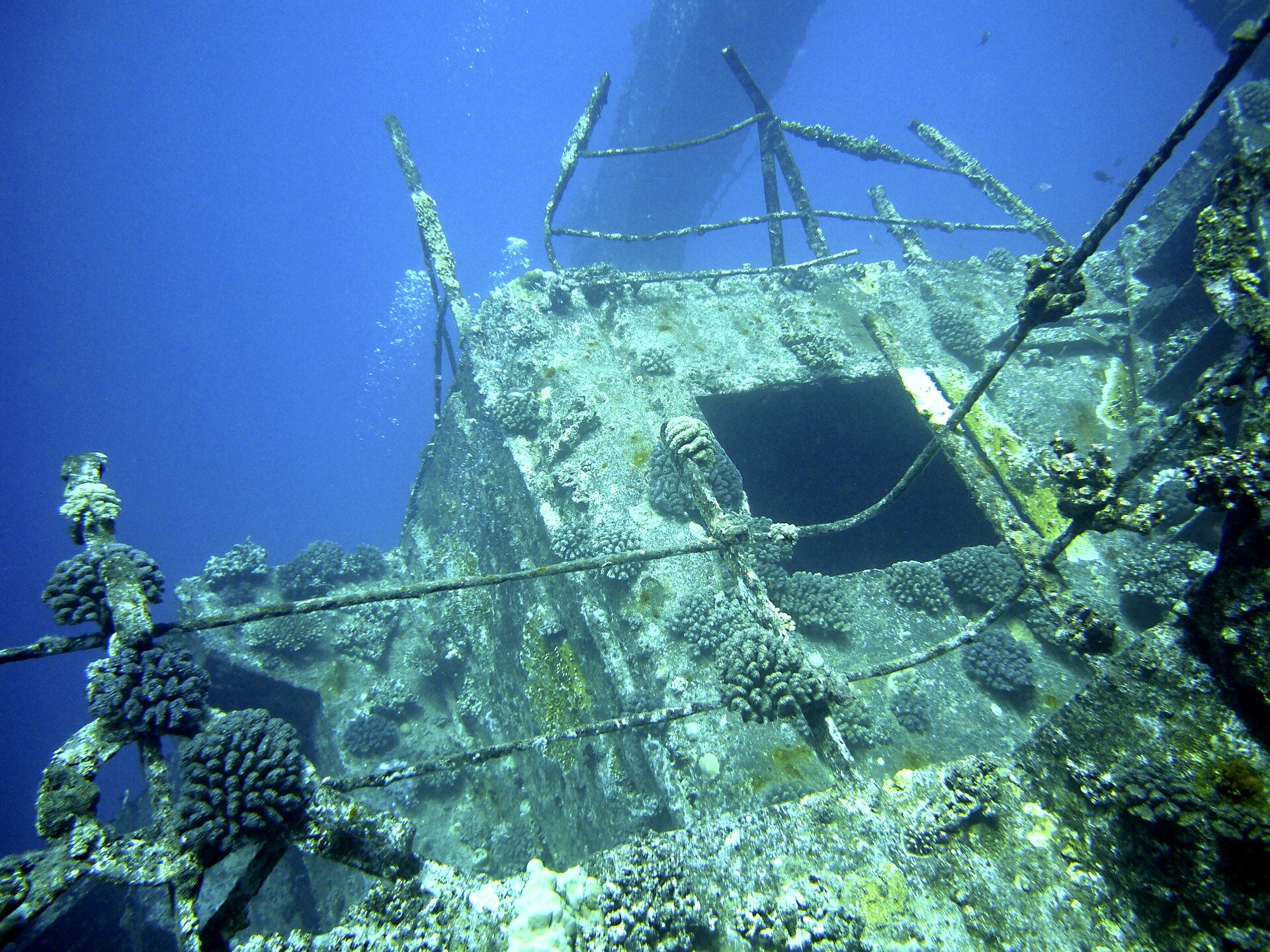
Sotto le onde riposa una miriade di navi spezzate da una tempesta o distrutte per mano umana. I relitti offrono un tuffo nella storia e un’immersione su siti che sono diventati la nuova dimora di coralli e pesci variopinti.
• Se sei un principiante immergiti solo su relitti a poca profondità e senza penetrazione.
• In caso di corrente inizia l’immersione in direzione opposta alla corrente, per sfruttarla al rientro.
• Non sollevare sedimenti.
• Occhio alle parti taglienti, alle corde, alle reti ecc.
• Nei pressi dei relitti la bussola non è sempre affidabile, usa perciò dei punti particolari e fissi per orientarti.
Crociere
Per poter scoprire luoghi distanti e in parte poco conosciuti, devi fare una crociera sub. Oltre a poterti godere la vastità del mare puoi immergerti su siti con una flora e fauna mozzafiato. Ricorda sempre: una mano per te e una per la barca. Tieniti sempre con una mano alla battagliola o a una ringhiera mentre cammini in coperta. Preparati per un eventuale emergenza: come comportarsi in caso di incendio? Dove si trovano il kit pronto soccorso, l’ossigeno e il prossimo ospedale con camera iperbarica? L’ospedale può essere distante, pertanto dopo 3 o 4 giorni prevedi una giornata senza immersione per tenere basso il rischio di un incidente decompressivo.
• Imbarcati preferibilmente su una barca con un sistema di localizzazione (p. es. Enos).
• Fatti mostrare e spiegare l’equipaggiamento di salvataggio e le procedure in caso di emergenza.
• Se possibile, usa Nitrox per le immersioni e tieni sempre conto della MOD.
• Porta con te il tuo pedagno segnasub («sparabile») personale lungo 1,5 m ca. con sistema a circuito chiuso e munito di materiale rifrangente (p. es. Seareq).
• Usa uno spool per il pedagno segnasub.
• Porta con te anche un fischietto o un segnalatore ad aria e uno specchio, alcuni pedagni dispongono di una tasca apposita per questi utensili di segnalazione.
• Per entrare in acqua e risalire a bordo segui le indicazioni dell’equipaggio.
• Dopo essere entrato in acqua allontanati dalla barca per far spazio agli altri sub.
• Quando riemergi fai attenzione al traffico delle barche e alle scale delle barche.
• Non posizionarti sotto la scala se questa viene usata da un’altra persona.
Immersioni notturne
Col tramonto del sole, anche il mondo sottomarino viene avvolto dal buio. Gli animali notturni si presentano ora nella luce delle torce in tutto il loro splendore.
• Immergiti sempre con la tua torcia e bada che sia carica.
• Porta sempre con te una torcia di riserva (torcia backup).
• Concorda i segni subacquei.
• Non sollevare sedimenti.
• Resta vicino al tuo compagno d’immersione.
• In caso di perdita del compagno d’immersione: copri brevemente la torcia per poter vedere la luce del compagno d’immersione.
Immersioni speciali
Per le immersioni nell’Artide e nell’Antartide o in altre acque fredde oltre ad avere un brevetto per le immersioni sotto il ghiaccio devi anche disporre di una certa esperienza nelle acque fredde. È consiglia-bile conseguire questo brevetto e di fare esperienze nei laghi svizzeri prima di partire. Inoltre, per queste immersioni dovresti usare due primi stadi e due secondi stadi indipendenti. Anche le seguenti immersioni necessitano di una formazione speciale e di esperienza: immersioni su relitti con penetrazione, immersioni profonde, immersioni in grotta, nitrox, trimix, rebreather, sidemount.
Immersione con bambini
Informati bene sull’immersione con bambini prima di iscrivere i tuoi figli a un corso. Scegli un diving con istruttori qualificati e con attrezzatura per bambini. Inoltre, le immersioni per bambini vanno effettuate solo in condizioni simili a quelle che si incontrano in una piscina. Per la durata e la profondità delle immersioni attieniti alle raccomandazioni della SUHMS e agli standard delle organizzazioni subacquee (cmas.ch, divessi.com oppure padi.com).
Infortuni d’immersione
Molte persone ogni anno perdono la vita facendo immersione. Attieniti agli standard e alle regole di sicurezza delle organizzazioni subacquee e immergiti sempre con un compagno d’immersione.
Ferite e barotraumi
La maggior parte delle ferite viene causata da barche, scogli, animali e strutture urticanti. I barotraumi sono differenze di pressione che causano lesioni alle strutture corporee contenenti aria (in particolare orecchio medio, seni e polmoni).
Incidenti decompressivi
Gli incidenti decompressivi sono dovuti a bolle di gas formatesi per un eccessivo accumulo di azoto/elio o per la rottura della parete alveolare se si risale troppo velocemente. Causano il danneggiamento delle strutture corporee fondamentali. Se emergono i seguenti sintomi durante o dopo un’immersione, chiama immediatamente un primo soccorso e assistenza negli infortuni subacquei:
• formicolio.
• arrossamento della pelle e prurito.
• dolori a carico di muscoli e articolazioni (bends).
• deterioramento della capacità percettiva o insensibilità.
• sintomi di paralisi.
• vertigini forti.
• stanchezza eccessiva.
• disturbi dello stato di coscienza.
In caso di emergenza ricorri alle seguenti misure di pronto soccorso:
• adagia la persona su una superficie possibilmente piana e proteggila da freddo o calore.
• somministra ossigeno al 100 % con maschera, il più presto e il più lungo possibile e anche con sintomi di decompressione lievi.
• in caso di arresto cardiocircolatorio effettua la rianimazione cardiopolmonare.
• somministra dei liquidi se la persona è cosciente.
• contatta un medico iperbarico esperto.
Fonte : UPI
L’UPI è il centro svizzero di competenza per la prevenzione degli infortuni al servizio della popolazione. www.upi.ch